A New Development Milestone

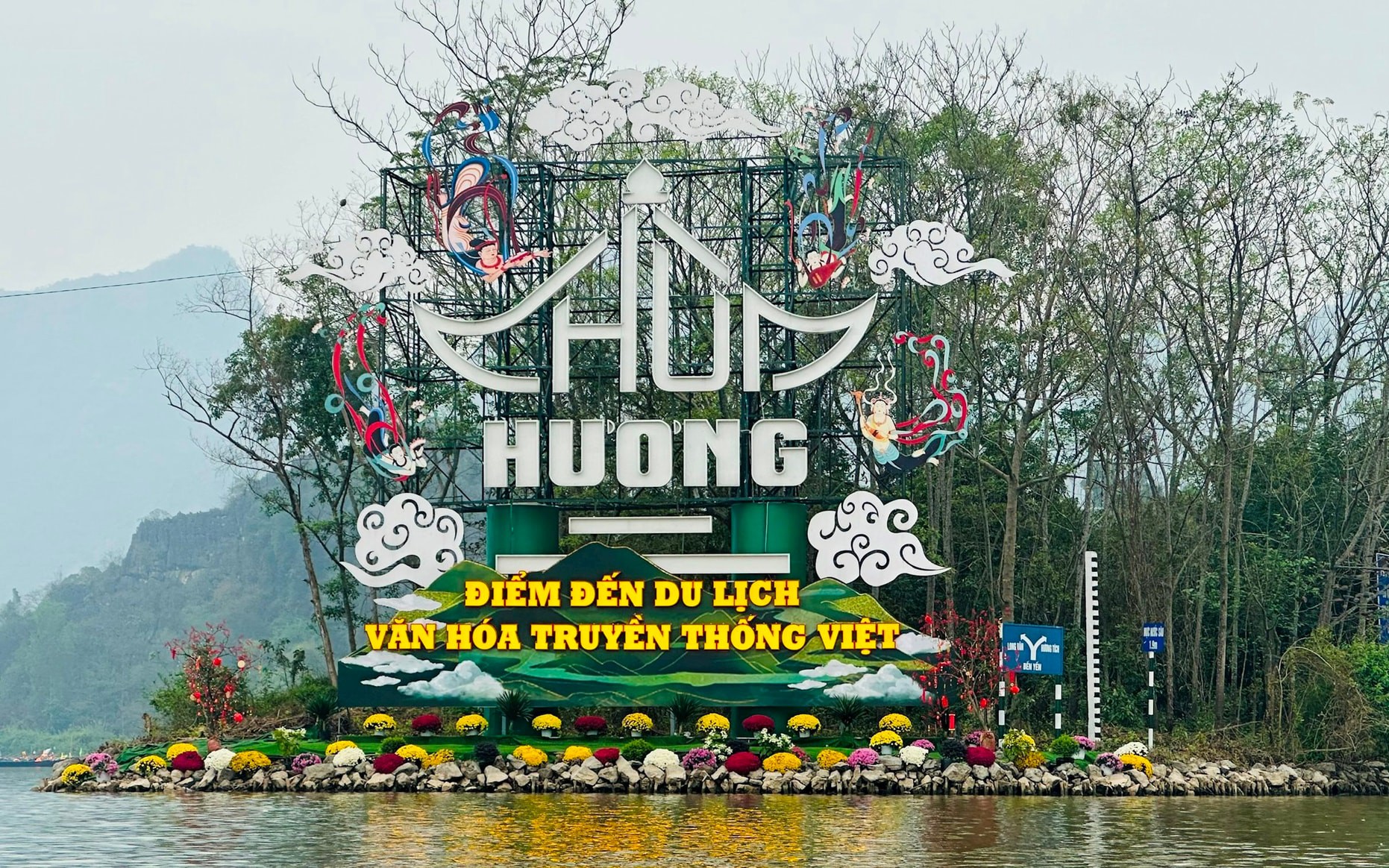
In 2026, Hanoi aims to develop the Huong Pagoda Special National Relic Complex into a National Tourism Area, while gradually completing the dossier to seek UNESCO recognition as a World Cultural and Natural Heritage Site by 2030. This strategic orientation highlights a strong commitment to sustainable development, balancing heritage preservation with tourism growth.

A Modern, Digitalized Festival

One of the most notable features of the 2026 festival is the continued promotion of digital transformation in festival management. Visitors can purchase and use entrance tickets and boat services via QR codes, while AI-powered surveillance cameras are deployed to ensure security and order. A centralized operations center and 24/7 hotline are also in place to promptly receive and handle visitors’ feedback.

Enhanced Safety and Order

Security and traffic safety measures are strengthened throughout the festival, particularly along Yen Stream and Tuyet Son Stream. Boat operations are strictly managed to ensure absolute safety, and violations such as encroachment on heritage spaces are firmly addressed, contributing to a civilized and orderly festival environment.

A Vast Cultural and Spiritual Space

The Huong Pagoda Festival covers the entire Huong Son complex, featuring three main pilgrimage routes and 20 temples, pagodas, and sacred caves. Beyond visiting Thien Tru Pagoda and Huong Tich Cave, pilgrims and tourists can fully experience the area’s rich cultural, spiritual, and natural values.

Preserving Traditional Values

The ceremonial rituals are conducted in a solemn and respectful manner, in accordance with Buddhist traditions and folk beliefs, praying for peace, prosperity, and well-being. Festival activities are carefully selected, emphasizing cultural and folk-art values while limiting excessive commercialization to preserve the sanctity of the heritage site.

With its thoughtful innovations and long-term vision, the Huong Pagoda Festival 2026 is not only a sacred spring pilgrimage but also a strong statement of sustainable development, positioning Huong Pagoda as a leading cultural, spiritual, and eco-tourism destination of Hanoi and Vietnam.

Turquoise waters – soft white sands – vibrant coral reefs
From Gành Hang, Bãi Nhỏ – Gành Lớn to Hòn Tranh, every corner of Phú Quý looks like a cinematic masterpiece. Snorkeling among coral reefs, paddleboarding, watching the sunset, or simply sitting back and listening to the waves — all come together to create a truly healing getaway.

Peaceful island vibes – beauty in its own way
Free from noise and crowds, Phú Quý wins hearts with its slow-paced lifestyle, warm locals, and scenic coastal roads that make you want to stop and breathe in the salty sea breeze. It’s the perfect escape for those looking to break away from city life and recharge their energy.

Picture-perfect from every angle
From the national flagpole, wind turbines, Cao Cát Peak to unique natural rock formations — Phú Quý is an open-air studio ideal for photo lovers and travel bloggers alike, where every shot is “Instagram-worthy.”

2026 – Phú Quý is no longer a secret
Get there early to fully experience its untouched charm, before it becomes a must-go destination in Southeast Asia.
Are you ready to pack your backpack and explore Phú Quý? 


I. Introduction to Bac Ha Green Rice (Cốm Bắc Hà)

1. Where is Bac Ha?

Located at nearly 1,000 meters above sea level, Bac Ha is a mountainous district of Lao Cai Province, known as the “White Plateau” thanks to the pure white plum blossoms that blanket the hills every spring. Beyond its breathtaking natural scenery, Bac Ha is also a cultural hub for ethnic minorities and a dream destination for travelers who seek authentic highland experiences.

Bac Ha lies about 65 km from Lao Cai City and 100 km from Sa Pa, featuring a cool climate all year round, peaceful atmosphere, green valleys, and poetic terraced rice fields that stretch along the mountain slopes.

2. Origin of Bac Ha Green Rice

Bac Ha green rice originates from the lush terraced fields of Bac Ha, where the mild climate and fertile soil are ideal for growing sticky rice. The local glutinous rice varieties give Bac Ha green rice its distinctive aroma and soft texture.

When the rice grains begin to ripen — plump and full of milk — locals harvest them for making green rice. Timing is essential: if harvested too early, the rice becomes mushy; if too late, it loses its elasticity and fragrance.

3. The Distinct Flavor of Bac Ha Green Rice

Bac Ha green rice carries the delicate aroma of young rice, a tender texture, and a mild, natural sweetness. It can be eaten fresh or used to prepare various dishes such as sticky rice with green rice (xôi cốm), green rice cakes (bánh cốm), sweet soup (chè cốm), or stir-fried green rice (cốm xào). The rice is often enjoyed with ripe bananas or grated coconut, enhancing its richness and signature nutty flavor.

II. How Bac Ha Green Rice is Made

The process of making Bac Ha green rice requires skill, patience, and precision. After harvesting, the rice is threshed and roasted over a cast-iron pan on medium heat. The roasting must be done carefully so that the grains are evenly cooked but not burnt. Once fragrant, the grains are cooled slightly and then pounded using a traditional stone mortar.

The pounding process is crucial — it must be done manually and rhythmically to loosen the husk without breaking the grain. The rice is then sifted several times to remove the husks, leaving soft, round, naturally green kernels that release the pure aroma of young rice.

III. Dishes Made from Bac Ha Green Rice

1. Green Rice Sticky Rice (Xôi Cốm)

The soft fragrance of Bac Ha sticky rice blended with pandan leaves creates a captivating aroma. The green hue of the rice contrasts beautifully with the yellow of mung beans and lotus seeds. Each bite offers a sweet, nutty flavor that reflects the essence of Bac Ha’s “White Plateau.”

2. Bac Ha Green Rice Sweet Soup (Chè Cốm)

This dessert combines the freshness of green rice with shredded coconut and a hint of pandan aroma. Its mild sweetness and chewy texture make it a refreshing treat, especially on cool autumn days in the Northwest.

3. Green Rice Yogurt (Sữa Chua Cốm Xanh)

A modern twist on a traditional ingredient — chewy green rice meets creamy yogurt, creating a dish that’s both healthy and delicious. The light sourness of yogurt perfectly complements the gentle sweetness of the rice.

4. Green Rice Square Cake (Bánh Chưng Cốm)

Similar to the traditional sticky rice cake, this version uses green rice instead of glutinous rice, giving it a deeper green color and a distinct aroma of young rice. The filling of pork and mung beans remains, but the taste becomes uniquely fragrant and tender.

5. Green Rice with Coconut (Cốm Dẹp Trộn Dừa)

This is a simple yet delightful snack combining Bac Ha green rice with shredded coconut. The soft, nutty, and lightly sweet flavor captures the essence of the northern highlands — humble yet unforgettable.

IV. Where to Buy Bac Ha Green Rice

1. Bac Ha Weekly Market

Held in the town center every Saturday and Sunday morning, this is the largest fair in Bac Ha, full of highland culture and local specialties — including Bac Ha green rice, which often sells out during the harvest season.

2. Bac Ha Cultural Market

This market also hosts the annual “Fragrance of the Highland Green Rice” Festival, usually held on September 23–24. Visitors can not only buy fresh green rice but also watch the traditional process of making it and join in culinary competitions featuring green rice dishes.

3. Specialty Shops in Lao Cai City

Bac Ha green rice is also available in specialty stores and tourism areas in Lao Cai City. Travelers can purchase directly or order in advance. For authenticity, it’s best to ask locals for recommendations to avoid imitation or low-quality products.

V. Tips for Choosing and Preserving Bac Ha Green Rice

To select high-quality Bac Ha green rice, look for light green grains, even size, and a gentle aroma of young rice. Avoid yellowish or overly dry grains — these may come from overripe rice or old batches.

Fresh green rice tastes best on the same day. To store it longer, wrap it in lotus or banana leaves to retain its fragrance, then place it in the refrigerator’s cool compartment. Avoid sealing it in plastic bags, which cause moisture and spoilage. For longer preservation, divide into portions, wrap in leaves, store in the freezer, and thaw naturally before eating.
Reunification Express – Vietnam

Stretching 1,726 kilometers across Vietnam, the Reunification Express is one of the oldest and most vital railway lines in Southeast Asia. During the more than 30-hour journey, travelers can admire the country’s full beauty from north to south — endless rice fields, the blue seas of Central Vietnam, and the majestic Hai Van Pass.

California Zephyr – USA

Dubbed the most beautiful train route in North America, the California Zephyr offers a natural symphony of landscapes. From the bustling city of Chicago to the modern Silicon Valley, the train crosses the Rocky Mountains, the dry Nevada Desert, the Colorado River, and the pine forests of Sierra Nevada. Each carriage is equipped with panoramic windows, a dining car, and standard sleeping cabins.

Lake Titicaca Train – Peru

This journey feels like a moving canvas of South America’s heritage. Departing from the ancient capital Cusco, the train takes you to Lake Titicaca, the cradle of Inca civilization. Along the way are snow-capped Andes peaks, vast grasslands with alpacas, and traditional wooden villages. Inside, the train resembles a boutique hotel with Peruvian cuisine, a classic bar, and a rooftop observation deck for photography.

Beijing – Lhasa Express (China)

The train to mystical Tibet is also among the world’s most beautiful railway routes. Traversing the “Roof of the World,” it takes passengers to the sacred land of Lhasa. Reaching altitudes over 5,000 meters, it’s the highest railway in the world. Glaciers, plateaus, salt deserts, and ancient monasteries appear after every turn. The train is equipped with oxygen systems, sleeper cabins, and a diverse dining car.

TranzAlpine – New Zealand

Though lasting only about five hours, the TranzAlpine journey is worth every minute. Departing from Christchurch, it crosses the majestic Southern Alps, the turquoise Waimakariri Valley, endless meadows, and mysterious rainforests. The train features quiet, modern carriages and even an open-air viewing platform for photography lovers.

Bergensbanen – Norway

This Norwegian railway showcases the raw, icy beauty of Northern Europe. The seven-hour journey connects Oslo and Bergen, crossing snowy plateaus, glacial lakes, and endless pine forests. In winter, you can watch Norway blanketed in snow from the comfort of a warm cabin; in summer, witness the midnight sun glowing at 11 p.m. — a journey straight out of an Andersen fairy tale.

Tazara Railway – Tanzania & Zambia

This two-day adventure from Dar es Salaam to Kapiri Mposhi is a poetic African odyssey. The train glides past golden savannas, Selous National Park with elephants, zebras, and giraffes, and rustic red-soil villages filled with the sound of folk music and the aroma of African coffee. A slow, soulful journey through the heart of the continent.

Sunset Limited – USA

The Sunset Limited evokes the golden age of American railroads, once traveled by cowboys and merchants for centuries. From New Orleans to Los Angeles, the route cuts across the United States east to west, revealing diverse landscapes — Louisiana swamps, the Texas desert, and the Arizona plateau. A dream route for those who love the classic Old West.

Caledonian Sleeper – United Kingdom

The Caledonian Sleeper is like a luxurious moving hotel. Board in London at sunset, and wake up amid the majestic mountains of Scotland, surrounded by misty moors, Loch lakes, and ancient castles. Private sleeping cabins, a whisky bar, and soft classical music make this journey unforgettable.

Mombasa – Nairobi – Kenya

One of Africa’s most modern and beautiful train routes, this line connects the coastal city of Mombasa with the capital Nairobi. The journey crosses red-earth plains, wild savannas, and Tsavo National Park, where travelers can spot elephants, antelopes, and buffalo strolling across the grasslands.

The Ministry of Culture, Sports and Tourism (MOCST) on August 18 announced the recognition of three elements as National Intangible Cultural Heritage: the Thanh Trì steamed rice rolls craft (Vĩnh Hưng Ward), the knowledge of preparing and enjoying Chả Cá Lã Vọng (Hanoi), and the knowledge of preparing traditional Bát Tràng feasts (Bát Tràng Commune).

According to the Ministry, all three intangible cultural heritages were nominated by local communities with full demonstration of their representative values, embodying community and local identity, reflecting cultural diversity and human creativity, and having been passed down through generations. These heritages have the ability to recover and endure over time, with strong community consensus, voluntary nomination, and commitment to preservation.

1. Thanh Trì Steamed Rice Rolls (Bánh cuốn Thanh Trì)

Thanh Trì Village has long been associated with the craft of making bánh cuốn — a familiar dish in the daily life of Hanoians. The rolls are made from plain rice soaked overnight, ground into batter, then steamed into thin sheets and topped with fried shallots. They are eaten cold, without filling, dipped in a mixed fish sauce and served with cinnamon pork rolls or meatballs. This simple yet refined preparation gives the dish a distinctive flavor that sets it apart from other regional varieties.

Currently, Vĩnh Hưng Ward has over 50 households engaged in making bánh cuốn, with many maintaining the tradition through multiple generations. In addition to selling directly at home, they also supply large quantities to wholesale buyers daily.

2. Lã Vọng Grilled Fish (Chả Cá Lã Vọng)

Considered a culinary icon of Hanoi, Chả Cá Lã Vọng is made from fresh catfish (cá lăng), dill, scallions, and shrimp paste. When served, the golden-grilled fish pieces are enjoyed with rice noodles, herbs, and crispy rice crackers, creating an unforgettable taste. The dish was featured in the book “1,000 Places to See Before You Die”, ranked among the Top 5 in 10 Global Culinary Experiences, and in 2016, CNN named it as one of the world’s best dishes.

3. Bát Tràng Traditional Feast (Cỗ Bát Tràng)

If ceramics are the pride of Bát Tràng Village, then the traditional feast preserves its culinary heritage. In well-to-do families of the past, the Tết feast was known as “cỗ bát trân” — featuring six bowls and eight plates. The term “trân” means “delicacy,” symbolizing abundance and prosperity. Housewives took meticulous care in preparing every dish — from bamboo shoot soup with dried squid to stir-fried kohlrabi with squid and pigeon spring rolls — creating a distinctive flavor that defines Bát Tràng’s culinary identity.

1. Sapa (Lào Cai)

The terraced fields of Sapa have been recognized as some of the most magnificent in the world. September marks the peak tourist season here as it’s the beginning of the harvest. Layer upon layer of golden rice terraces cascade down the mountainsides, glowing under the autumn sun. This year, Sapa’s rice ripens a bit earlier, making this period—and the upcoming holidays—the perfect time to visit and capture breathtaking photos of the dreamy golden fields surrounded by majestic mountains.

2. Y Tý (Lào Cai)

Besides being an ideal place for cloud hunting, Y Tý’s terraced fields are another charm that steals visitors’ hearts. Located nearly 2,000 meters above sea level, Y Tý is often veiled in mist throughout the year. But around mid-September, the whole region awakens in a burst of golden hues as the rice ripens. The air becomes filled with the fragrance of new rice and the earthy scent of freshly cut straw, creating an atmosphere unlike anywhere else.

3. Mù Cang Chải (Yên Bái)

Golden waves of rice shimmer in the breeze, layer upon layer cascading down the mountains. Amid the endless fields, small thatched houses peek through the golden glow, while colorful ethnic costumes and the lively harvest activities of the H’Mông people fill the scene with vitality.

From mid-September to the end of October, Mù Cang Chải transforms into a breathtaking sea of gold. Recognized as one of Vietnam’s most spectacular natural landscapes, it is a top destination for travelers and photographers seeking to capture the grandeur of the golden season. From above, the terraced valleys resemble vast golden oceans stretching to the horizon.

4. Tú Lệ (Yên Bái)

Not far from Mù Cang Chải lies the peaceful Tú Lệ Valley—a place that instantly captivates anyone who visits. Towering mountains embrace the vast rice fields below, creating a landscape that is both majestic and romantic. Like Mù Cang Chải, the golden season here usually peaks in late September, making it the best time to admire the serene beauty of the ripened fields.

5. Hoàng Su Phì (Hà Giang)

Among the most beloved golden season destinations for young travelers, Hoàng Su Phì stands out with terraced fields that seem to float amidst the clouds. The golden season here arrives later than in other places, with early October being the perfect time to visit. The Phùng Village area is particularly famous for its stunning rice terraces that glow brightly under the autumn sunlight.

6. Bắc Sơn (Lạng Sơn)

At Vietnam’s northeastern border, surrounded by rolling mountains, Bắc Sơn’s golden season usually comes earlier than Hoàng Su Phì and other regions. What makes the rice fields here unique is the patchwork of colors—golden ripe fields interwoven with patches of green and earthy tones. This distinctive beauty comes from the locals’ staggered planting schedules. You can enjoy the golden season twice a year—late July and late October. After the July harvest, locals plant another crop right away, so late October is an ideal time to head to Lạng Sơn to witness its mesmerizing golden fields.

+84 90 111 81 85